


Guide de voyage Zanzibar
Plages, régions, meilleure période et conseils d'initiés
Introduction
Ce guide couvre tout ce que vous devez savoir — des régions et des saisons aux plus belles plages de Zanzibar, où-séjourner-à-zanzibar, et aux expériences romantiques de lune de miel.
Zanzibar est bien plus que des plages de sable blanc.
C'est :
-
La culture swahilie
-
Des lagons turquoise
-
La vieille ville historique
-
Des forêts de mangroves
-
Des bancs de sable qui apparaissent à marée basse
-
Des ciels de coucher de soleil sur l'océan Indien
Que vous combiniez Zanzibar avec un Safari en Tanzanie ou que vous planifiez des vacances axées sur la plage, ce guide couvre tout ce que vous devez savoir — des régions et des saisons aux expériences cachées et aux informations locales.


Où se trouve Zanzibar ?
Zanzibar est un archipel d'îles dans l'océan Indien, faisant partie de la Tanzanie.
L'île principale (Unguja) se situe à environ 25–50 km de la Tanzanie continentale.
Vous pouvez accéder à Zanzibar via :
-
Des vols internationaux vers l'aéroport de Zanzibar (ZNZ)
-
Des vols intérieurs depuis Arusha, le Serengeti et Dar es Salaam
-
Un ferry depuis Dar es Salaam
Zanzibar est généralement combinée avec un safari dans le nord de la Tanzanie dans le cadre d'un itinéraire Safari & Zanzibar.
Meilleure période pour visiter Zanzibar
Zanzibar est une destination toute l'année.
Pour une analyse détaillée, consultez notre guide de la meilleure période pour visiter Zanzibar.
Juin – Octobre (Saison sèche)
-
Temps chaud et sec
-
Haute saison
-
Excellentes conditions de plage
Novembre – Décembre
Courtes pluies, souvent brèves
Janvier – Mars
-
Océan chaud
-
Combinaison Safari en saison de vêlage
-
Moins de touristes
Avril – Mai
-
Pluies plus abondantes
-
Certains établissements ferment
Si vous combinez avec un safari, juin à octobre et janvier à mars sont particulièrement populaires.
Régions de Zanzibar expliquées (Choisissez votre atmosphère)
Les différentes parties de Zanzibar se sentent très différentes.
Nungwi & Kendwa (Nord)
Souvent classées parmi les plus belles plages du monde.
-
Eau turquoise cristalline
-
Différence de marée minimale
-
Atmosphère animée
-
Jet-skis et sports nautiques
-
Fêtes de plage
Idéal si vous aimez l'énergie et la vie sociale de la plage.
Moins idéal si vous recherchez une tranquillité complète.
Matemwe (Nord-est)
-
Atmosphère plus calme
-
Accès à la plongée en apnée de l'atoll de Mnemba
-
Moins de foule
Excellent pour les voyages axés sur l'océan.
Paje (Côte est)
Capitale du kitesurf de Zanzibar.
-
Foule jeune et internationale
-
Sports nautiques
-
Cours de restauration et restauration décontractée
-
Bars de plage
-
Énergie sociale
Amusant et dynamique, mais pas calme.
Michamvi Pingwe (Sud-est)
Pour les voyageurs en quête de :
-
Une atmosphère paisible
-
Des couchers de soleil spectaculaires
-
Des bancs de sable naturels
-
Moins de foule
-
Des propriétés de charme
Michamvi Pingwe est souvent préféré par les jeunes mariés et les voyageurs en Safari qui recherchent le calme plutôt que la foule.
Cela ressemble plus à une retraite qu'à une ville balnéaire.
Kiwengwa (Nord-est)
-
Développements de plus grands resorts
-
Environnement de vacances balnéaires structuré
-
Installations organisées
Bon pour les séjours de style resort traditionnel.
Jambiani (Sud-est-Est)
-
Plage longue et infinie
-
Petits hôtels
-
Atmosphère villageoise
-
Plus de circulation sur la plage qu'à Michamvi
Équilibré mais toujours actif.
Où séjourner à Zanzibar – Choisir la bonne région
Choisir où séjourner à Zanzibar est l'une des décisions les plus importantes pour votre voyage — car chaque partie de l'île se sent complètement différente.
De nombreux voyageurs s'attendent à « une seule Zanzibar », mais en réalité, l'île offre une large gamme d'atmosphères — des villes balnéaires animées aux zones côtières calmes et presque intactes.
Aperçu rapide : Quelle zone vous convient le mieux
-
Pour la baignade et la vie de plage animée : Nungwi / Kendwa (Nord)
-
Pour le kitesurf et l'ambiance sociale : Paje (Côte est)
-
Pour une vie de plage décontractée avec charme local : Jambiani
-
Pour des vues calmes sur l'océan et l'accès au snorkeling : Matemwe
-
Pour le luxe paisible et la beauté naturelle : Michamvi Pingwe (Sud-est)
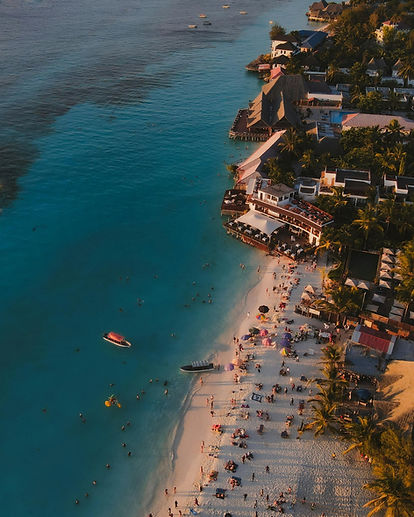
Côte nord (Nungwi & Kendwa) – Facile mais animée
Le nord de Zanzibar est souvent recommandé en raison d'un avantage clé :
👉 L'océan reste baignable toute la journée en raison des marées minimales.
Cependant, cela s'accompagne de compromis.
-
Un grand nombre de grands hôtels et complexes hôteliers
-
Des plages animées, surtout en haute saison
-
Une interaction constante avec les vendeurs de plage
C'est un bon choix si vous voulez :
-
Des conditions de baignade faciles
-
Une atmosphère sociale
-
Une ambiance plus « classique de destination balnéaire »
C'est moins idéal si vous recherchez :
-
L'intimité
-
Une atmosphère authentique
-
Une expérience calme et de style boutique
Côte Est (Paje & Jambiani) – Mode de vie et espace
La côte est est l'endroit où Zanzibar commence à se sentir plus détendu et authentique.
Paje
-
Connu comme le centre du kite-surf de Zanzibar
-
Foule internationale et jeune
-
Bars de plage, cafés et sports nautiques
Parfait si vous :
-
Aimez l'activité et le mouvement
-
Voulez de la variété dans les restaurants et la vie nocturne
-
Aimez l'énergie d'une ville balnéaire sociale
Jambiani
Juste au sud de Paje, Jambiani est plus calme et plus local.
-
Longues plages ininterrompues
-
Petits hôtels de charme et villas
-
Atmosphère villageoise forte
Idéal si vous voulez :
-
Un séjour décontracté mais pas isolé
-
Un mélange de confort et de vie locale
-
Une alternative plus paisible à Paje


Côte nord-est (Matemwe & Kiwengwa) – Vues sur l'océan et complexes hôteliers
Matemwe
Une belle côte tranquille face au lagon de Mnemba, l'une des zones de plongée en apnée les plus célèbres de Zanzibar.
-
Excellent pour les vues sur l'océan et les excursions en bateau
-
Très calme et discret
-
Restaurants et activités limités à proximité
Idéal pour :
-
Les voyageurs qui veulent se détendre à leur hôtel
-
Les couples à la recherche d'un environnement tranquille
👉 Important : choisissez votre hôtel avec soin, car vous y passerez la plupart de votre temps.
Kiwengwa
Plus développé et structuré.
-
Grands complexes et installations de plage organisées
-
Populaire auprès des voyageurs en forfait
Bon si vous :
-
Préférez les séjours en complexe
-
Voulez tout en un seul endroit
Moins idéal pour :
-
Les expériences de boutique ou hautement personnalisées
Côte sud-est (Michamvi Pingwe & Dongwe) – Zanzibar à son plus beau
C'est là que Zanzibar devient quelque chose de spécial.
La côte sud-est offre une atmosphère très différente par rapport au nord :
-
Moins de foule
-
Plus d'espace
-
Une forte connexion à la nature
Michamvi Pingwe
L'une des zones les plus uniques et les plus paisibles de l'île.
Ce qui la rend spéciale :
-
Des bancs de sable naturels apparaissant à marée basse
-
Des couleurs de lagon turquoise époustouflantes
-
De petits hôtels de charme, principalement gérés par des familles
-
Un environnement de village détendu et convivial
Les clients qui séjournent ici disent souvent la même chose :
👉 « C'est le Zanzibar que nous cherchions. »
C'est particulièrement adapté pour :
-
Les couples et les jeunes mariés
-
Les voyageurs combinant Safari et plage
-
Quiconque recherche l'intimité et l'atmosphère
À marée haute, l'océan est parfait pour la baignade.
À marée basse, le littoral se transforme — idéal pour les promenades, l'exploration et l'expérience de l'île d'une manière différente.
👉 C'est aussi là que vous trouverez certains des séjours de charme les plus exclusifs de Zanzibar, y compris des propriétés comme Boutique Hotel Matlai, situé directement le long de ce littoral.


Stone Town – Arrêt culturel
(1 nuit suffit)
Aucun voyage à Zanzibar n'est complet sans visiter Stone Town, le cœur historique de l'île.
-
Site du patrimoine mondial de l'UNESCO
-
Riche histoire swahilie, omanaise et coloniale
-
Marchés, ruelles étroites et portes en bois sculpté
La plupart des voyageurs restent :
👉 1 nuit (ou même juste une visite d'une demi-journée)
Après cela, la plage devient le point fort.
Conseil final : Pensez à l'expérience, pas seulement à la localisation
Zanzibar n'est pas une destination « à sens unique ».
Avant de réserver, posez-vous la question :
-
Veux-je de l'activité ou de la paix ?
-
Me soucie-je des marées ou non ?
-
Veux-je un resort ou une expérience de charme ?
Le bon choix de région définira tout votre voyage — bien plus que l'hôtel lui-même.
Que faire à Zanzibar (Au-delà de l'évident)
Zanzibar se découvre mieux lentement — mais il y a beaucoup à explorer.
Expériences océan et plage
-
Excursions de plongée en apnée (Mnemba et Blue Lagoon)
-
Navigation traditionnelle en dhow
-
Promenades sur les bancs de sable à marée basse
-
Kayak (selon les marées)
-
Croisières en dhow au coucher du soleil
-
Kite-Surf
Expériences locales uniques
Cuisine avec une Mama locale
Participez à une expérience culinaire maison, visitez les marchés locaux et préparez des plats swahilis dans un cadre familial.
Mangroves de l'île Uzi
Pagayez à travers les forêts de mangroves et visitez des villages où le tourisme est encore minimal.
Royal Stable Zanzibar (Michamvi Kae)
Équitation le long de la plage au coucher du soleil.
Grotte Maalum (près de Paje)
Expérience naturelle de baignade en grotte.
Tours en quad (Jambiani)
Exploration hors route du Zanzibar rural.
Golf à Sea Cliff
Le parcours de golf de Zanzibar avec vue sur l'océan.

Séjours de luxe et romantiques à Zanzibar
Zanzibar est l'une des meilleures destinations d'Afrique pour les couples, les lunes de miel et les séjours en villa privée. Découvrez notre guide de lune de miel à Zanzibar ou explorez notre hôtel boutique à Zanzibar pour une expérience intime et exclusive.
Zanzibar pour les voyageurs sportifs
Zanzibar devient attrayante pour les vacances sportives :
-
Kite-Surf à Paje ou
-
THE HUB Zanzibar (Dongwe) : Padel, pickleball, soft tennis, restaurant.
-
Terrains de padel supplémentaires à Kiwengwa et dans la région de Stone Town.
Plage + sport est un thème de voyage émergent.
Stone Town – Cœur Culturel de Zanzibar
Stone Town est un site du patrimoine mondial de l'UNESCO connu pour :
-
Architecture historique
-
Portes en bois sculptées
-
Histoire du commerce des épices
-
Ruelles étroites
-
Marchés et musées
De nombreux voyageurs passent une nuit ici avant de se diriger vers la plage pour leur expérience Zanzibar Luxe en Famille.


Les marées à Zanzibar – Ce que la plupart des guides ne vous disent pas
Les marées sont l'un des aspects les plus importants — et les plus mal compris — d'une vacance à Zanzibar.
De nombreux guides disent simplement : « Il y a des marées. »
Mais ce qui compte vraiment, c'est comment elles façonnent toute votre expérience.
Pourquoi les marées sont plus importantes que vous ne le pensez
Zanzibar, en particulier la côte est et sud-est, connaît des changements de marée importants.
Cela signifie :
-
L'océan peut être juste devant votre hôtel à un moment donné
-
Et à des centaines de mètres de distance quelques heures plus tard
Pour certains voyageurs, c'est surprenant.
Pour d'autres, cela devient l'une des parties les plus uniques du voyage.
👉 La clé est de comprendre comment utiliser les marées — pas les éviter.
Marée haute vs marée basse – Deux expériences complètement différentes
Marée haute
-
Parfait pour la baignade
-
Eau profonde, calme et chaude
-
Idéal pour se détendre dans l'océan
C'est à ce moment que la plage ressemble à une destination tropicale classique.
Marée basse
C'est là que Zanzibar devient spécial.
-
Les bancs de sable apparaissent
-
Les lagons se transforment en bassins peu profonds et cristallins
-
Vous pouvez marcher loin dans l'océan
Dans des zones comme Michamvi Pingwe, la marée basse révèle des formations naturelles spectaculaires que vous ne voyez tout simplement pas à marée haute.
👉 De nombreux clients finissent par apprécier la marée basse tout autant — ou même plus — que la baignade.
Michamvi Pingwe – Pourquoi la marée basse est en réalité le meilleur moment
Bien que de nombreuses zones de Zanzibar deviennent difficiles pour la baignade à marée basse, Michamvi Pingwe est différent.
Ici, la côte crée un système de lagon naturel :
-
Un chenal d'eau plus profonde (comme un petit ruisseau ou une rivière) reste entre le banc de sable et le rivage
-
Même à marée basse, l'eau reste environ 3–5 mètres de profondeur dans ce chenal
-
Les zones environnantes restent peu profondes, calmes et cristallines
Cela crée une situation unique où vous pouvez :
-
Nager confortablement même à marée basse
-
Flotter et vous détendre dans une eau chaude et peu profonde
-
Pagayer à travers les canaux calmes du lagon
-
Explorer les bancs de sable tout en ayant accès à une eau plus profonde
👉 En fait, de nombreux clients à Michamvi Pingwe préfèrent la marée basse à la marée haute.
Au lieu de perdre l'océan, vous gagnez :
-
Plus d'espace
-
Plus de variété
-
Un paysage complètement différent à explorer
C'est l'un des rares endroits de Zanzibar où :
👉 La marée basse ne limite pas votre expérience — elle l'améliore.
Meilleures Conditions pour le Snorkeling
Les conditions de plongée en apnée sont souvent mal comprises.
👉 La meilleure visibilité est généralement :
-
Lorsque la marée se retire
-
Quand l'eau devient plus calme et plus claire
À ce moment :
-
Les structures de corail sont plus faciles à voir
-
L'eau est moins agitée
-
La visibilité s'améliore considérablement

Bancs de sable – Une expérience unique à Zanzibar
Les bancs de sable sont l'un des points forts de Zanzibar — mais ils n'apparaissent pas tout le temps.
-
Les marées fortes (autour de la pleine lune et de la nouvelle lune) créent les changements les plus spectaculaires
-
Dans des endroits comme Michamvi, les bancs de sable peuvent émerger complètement lorsque les niveaux d'eau chutent en dessous d'environ 1 à 1,2 mètres
👉 Il y a aussi des périodes (autour de la demi-lune) où les bancs de sable peuvent ne pas apparaître dans certaines zones.
Comprendre cela vous aide à :
-
Planifier les promenades et les photos
-
Chronométrer les excursions en bateau
-
Découvrir le littoral à son meilleur

Ce Que Vous Devez Savoir Avant de Réserver
Si vous séjournez sur la côte est ou sud-est, les marées font partie de la vie quotidienne.
Ce n'est pas un inconvénient — cela signifie simplement :
-
Votre journée suit naturellement le rythme de l'océan
-
Les activités alternent entre la baignade, l'exploration et la détente
La meilleure façon de l'expérimenter :
-
Nager à marée haute
-
Marcher et explorer à marée basse
-
Planifier les excursions en conséquence
👉 Cela crée de la variété — quelque chose que de nombreux voyageurs manquent dans les destinations où l'océan a toujours le même aspect.
Dernier aperçu : les marées ne sont pas un problème — c'est l'expérience
Les voyageurs qui s'attendent à une eau profonde constante partout se trompent parfois sur Zanzibar.
Mais une fois que vous avez expérimenté :
-
Marcher sur les bancs de sable
-
Voir les couleurs changeantes du lagon
-
Explorer le fond de l'océan
Vous réalisez :
👉 Les marées ne sont pas une limitation —
👉 Elles sont ce qui rend Zanzibar unique.

Argent, paiements et conseils pratiques à Zanzibar
Conditions d'entrée et avant de voyager
Avant de voyager à Zanzibar, il est important de vérifier les dernières exigences d'entrée pour assurer une arrivée en douceur.
La plupart des visiteurs internationaux ont besoin d'un visa pour la Tanzanie, qui peut être obtenu à l'avance via le système eVisa officiel ou à l'arrivée à l'aéroport, selon votre nationalité. Votre passeport doit être valide pendant au moins six mois après vos dates de voyage.
De plus, Zanzibar a introduit une assurance voyage obligatoire pour les visiteurs étrangers, qui doit être achetée via le portail officiel de Zanzibar avant l'arrivée. Cette assurance est requise indépendamment de toute autre couverture internationale.
L'aéroport international de Zanzibar (ZNZ) est bien desservi avec des vols directs et des correspondances en provenance d'Europe, du Moyen-Orient et d'autres régions d'Afrique. De nombreux voyageurs combinent également leur séjour à Zanzibar avec un safari en Tanzanie continentale, en passant par Dar es Salaam ou Arusha.
Les transferts de l'aéroport aux hôtels sont généralement arrangés à l'avance, et les temps de trajet varient selon le lieu. Pour la côte est, y compris Michamvi Pingwe, le transfert prend généralement environ une heure.
Argent, cartes et espèces à Zanzibar
La monnaie locale est le Shilling tanzanien (TZS), et en pratique, c'est souvent la meilleure option pour les achats quotidiens. De nombreux hôtels, restaurants et voyagistes acceptent les cartes de crédit, mais les voyageurs auront toujours régulièrement besoin d'espèces pour les petits commerces, les taxis, les pourboires ou les achats dans les villages.
Les dollars américains (USD) sont également largement acceptés à Zanzibar. Cependant, les billets doivent être plus récents que 2009, car les anciens billets sont souvent refusés.
Bien que payer en USD soit pratique, il est souvent plus rentable d'utiliser des Shillings tanzaniens. Les prix cotés en USD sont parfois arrondis ou légèrement plus élevés, tandis que payer en TZS peut vous donner un meilleur taux local.
Si vous apportez des USD, il est préférable de porter des billets de plus grande valeur (50 ou 100 USD), car les bureaux de change offrent généralement de meilleurs taux pour ceux-ci par rapport aux petits billets. Une bonne approche consiste à échanger certains billets de plus grande valeur en TZS à votre arrivée, puis à utiliser des petits billets TZS pour vos dépenses quotidiennes.
Pour les paiements par carte, Visa et Mastercard sont les options les plus largement acceptées. American Express n'est acceptée que dans un nombre limité d'hôtels ou d'entreprises, il n'est donc pas recommandé comme méthode de paiement principale.
Les paiements sans contact et par téléphone mobile deviennent plus courants, en particulier dans les hôtels et restaurants haut de gamme, mais ne sont toujours pas largement utilisés sur l'île.
Parmi les habitants, l'argent mobile joue un rôle majeur dans les transactions quotidiennes. Des services comme M-Pesa, Airtel Money et Tigo Pesa permettent aux utilisateurs d'envoyer et de recevoir de l'argent instantanément via des téléphones mobiles, et sont couramment utilisés pour les transferts et les paiements quotidiens. Bien que ces services soient principalement utilisés par les résidents, certaines petites entreprises et guides peuvent également accepter les paiements mobiles.
La disponibilité des guichets automatiques s'est améliorée ces dernières années, en particulier dans les principaux centres comme Stone Town, mais peut toujours être limitée dans les zones plus éloignées. Les frais peuvent varier, il est donc conseillé de retirer de l'argent à l'avance et de conserver un mélange de petits billets pour plus de commodité.
Code vestimentaire et étiquette culturelle
Zanzibar est décontractée à la plage, mais loin de l'hôtel, les vêtements modestes sont appréciés, en particulier à Stone Town et dans les villages locaux. Couvrir les épaules et les genoux est la règle respectueuse. Les voyageurs qui comprennent cela trouvent généralement les interactions plus chaleureuses et plus confortables, en particulier lorsqu'ils explorent au-delà des zones de villégiature.


Plus d'informations pratiques
Conseil d'initié :
L'arrivée à Zanzibar peut prendre du temps, surtout pendant les heures de pointe. Les files d'attente pour les visas et l'immigration peuvent être plus longues que prévu, nous vous recommandons donc de prévoir une journée d'arrivée détendue et d'organiser votre transfert à l'avance.
Alimentation, types de prises et
Électricité à Zanzibar
Le type de prise électrique le plus courant à Zanzibar est le type G (norme britannique). À Boutique Hotel Matlai, nous utilisons également les prises de type F et de type C en interne, et des adaptateurs de type G sont disponibles pour nos clients.
La tension standard est de 230V, compatible avec la plupart des appareils européens. Les voyageurs d'autres régions peuvent avoir besoin d'un adaptateur approprié.
Des coupures de courant peuvent survenir à Zanzibar pendant les périodes de forte demande. Pour un séjour confortable, il est recommandé de vérifier à l'avance si votre hôtel dispose d'un système d'alimentation de secours fiable (générateur ou onduleur) pour assurer une électricité continue.
Zanzibar après Safari
L'une des combinaisons de voyage les plus populaires d'Afrique :
Safari en Tanzanie → Plage de Zanzibar
Les vols depuis le Serengeti ou Arusha prennent environ une heure.
Après le safari, de nombreux voyageurs prolongent leur séjour à Zanzibar de 5 à 9 nuits pour une détente appropriée.
Les régions calmes comme Michamvi Pingwe sont particulièrement adaptées à la récupération et à l'intimité.
Exemple de séjour de 6 jours à Zanzibar
Jour 1 : Arrivée et détente
Jour 2 : Plage et piscine
Jour 3 : Plongée en apnée ou excursion en bateau
Jour 4 : Visite de Stone Town
Jour 5 : Spa et dîner au coucher du soleil
Jour 6 : Détente pure
Zanzibar récompense les voyages lents.
