


Zanzibar Travel Guide
Beaches, Regions, Best Time & Insider Tips
Introduction
This guide covers everything you need to know — from regions and seasons to the best beaches in Zanzibar, where-to-stay-in-zanzibar, and romantic honeymoon experiences.
Zanzibar is more than white sand beaches.
It is:
-
Swahili culture
-
Turquoise lagoons
-
Historic Stone Town
-
Mangrove forests
-
Sandbanks appearing at low tide
-
Sunset skies over the Indian Ocean
Whether you are combining Zanzibar with a Tanzania Safari Guide or planning a beach-focused holiday, this guide covers everything you need to know — from regions and seasons to hidden experiences and local insights.
.jpg)

Where Is Zanzibar?
Zanzibar is an island archipelago in the Indian Ocean, part of Tanzania.
The main island (Unguja) lies approximately 25–50 km from mainland Tanzania.
You can reach Zanzibar via:
-
International flights to Zanzibar Airport (ZNZ)
-
Domestic flights from Arusha, Serengeti & Dar es Salaam
-
Ferry from Dar es Salaam
Zanzibar is commonly combined with safari in northern Tanzania as part of a Safari & Zanzibar Itinerary.
Best Time to Visit Zanzibar
Zanzibar is a year-round destination.
For a detailed breakdown, read our Best Time to Visit Zanzibar guide.
June – October (Dry Season)
-
Warm, dry weather
-
Peak season
-
Excellent beach conditions
November – December
Short rains, often brief
January – March
-
Warm ocean
-
Calving season safari combination
-
Fewer tourists
April – May
-
Heavier rains
-
Some lodges close
If combining with safari, June–October and January–March are particularly popular.
Zanzibar Regions Explained (Choose Your Atmosphere)
Different parts of Zanzibar feel very different.
Nungwi & Kendwa (North)
Often ranked among the most beautiful beaches in the world.
-
Clear turquoise water
-
Minimal tidal difference
-
Lively atmosphere
-
Jetskis and watersports
-
Beach parties
Ideal if you enjoy energy and social beach life.
Less ideal if you seek complete tranquility.
Matemwe (Northeast)
-
Quieter atmosphere
-
Access to Mnemba Atoll snorkeling
-
Fewer crowds
Excellent for ocean-focused trips.
Paje (East Coast)
Zanzibar’s kitesurfing capital.
-
Young international crowd
-
Watersports
-
Food courts & casual dining
-
Beach bars
-
Social energy
Fun and dynamic, but not quiet.
Michamvi Pingwe (Southeast)
For travelers seeking:
-
Peaceful atmosphere
-
Spectacular sunsets
-
Natural sandbanks
-
Fewer crowds
-
Boutique properties
Michamvi Pingwe is often preferred by honeymooners and safari travelers who want calm rather than crowds.
It feels more like a retreat than a beach town.
Kiwengwa (Northeast)
-
Larger resort developments
-
Structured beach holiday environment
-
Organized facilities
Good for traditional resort-style stays.
Jambiani (Southeast-East)
-
Endless long beach
-
Smaller hotels
-
Village atmosphere
-
More beach traffic than Michamvi
Balanced but still active.
Where to Stay in Zanzibar – Choosing the Right Area
Choosing where to stay in Zanzibar is one of the most important decisions for your trip — because each part of the island feels completely different.
Many travelers expect “one Zanzibar,” but in reality, the island offers a wide range of atmospheres — from lively beach towns to quiet, almost untouched coastal areas.
Quick Overview: Which Area Fits You Best
-
For swimming & lively beach life: Nungwi / Kendwa (North)
-
For kitesurfing & social vibe: Paje (East Coast)
-
For relaxed beach life with local charm: Jambiani
-
For quiet ocean views & snorkeling access: Matemwe
-
For peaceful luxury & natural beauty: Michamvi Pingwe (Southeast)
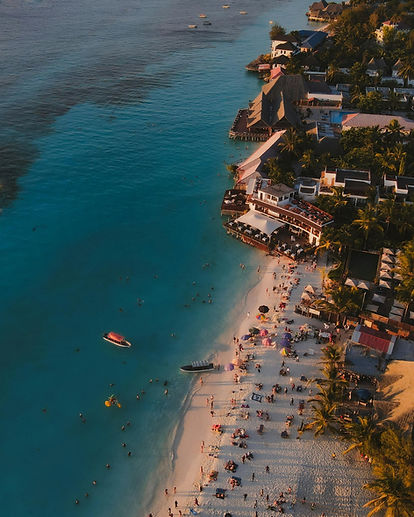
North Coast (Nungwi & Kendwa) – Easy but Busy
The north of Zanzibar is often recommended because of one key advantage:
👉 The ocean stays swimmable all day due to minimal tides.
However, this comes with trade-offs.
-
High number of large hotels and resorts
-
Busy beaches, especially in high season
-
Constant interaction with beach vendors
It’s a good choice if you want:
-
Easy swimming conditions
-
Social atmosphere
-
A more “classic beach destination” feel
It’s less ideal if you are looking for:
-
Privacy
-
Authentic atmosphere
-
A calm, boutique-style experience
East Coast (Paje & Jambiani)
– Lifestyle & Space
The east coast is where Zanzibar starts to feel more
relaxed and authentic.
Paje
-
Known as Zanzibar’s kitesurfing hub
-
International, young crowd
-
Beach bars, cafés, and watersports
Perfect if you:
-
Enjoy activity and movement
-
Want variety in restaurants and nightlife
-
Like a social, beach-town energy
Jambiani
Just south of Paje, Jambiani is calmer and more local.
-
Long, uninterrupted beaches
-
Small boutique hotels and villas
-
Strong village atmosphere
Ideal if you want:
-
A laid-back but not isolated stay
-
A mix of comfort and local life
-
A more peaceful alternative to Paje


Northeast Coast (Matemwe & Kiwengwa) – Ocean Views & Resorts
Matemwe
A beautiful, quiet coastline facing Mnemba Atoll, one of Zanzibar’s most famous snorkeling areas.
-
Excellent for ocean views and boat trips
-
Very calm and low-key
-
Limited restaurants and activities nearby
Best suited for:
-
Travelers who want to relax at their hotel
-
Couples looking for quiet surroundings
👉 Important: choose your hotel carefully, as you’ll spend most of your time there.
Kiwengwa
More developed and structured.
-
Larger resorts and organized beach setups
-
Popular with package travelers
Good if you:
-
Prefer resort-style stays
-
Want everything in one place
Less ideal for:
-
Boutique or highly personalized experiences
Southeast Coast (Michamvi Pingwe & Dongwe) – Zanzibar at Its Most Beautiful
This is where Zanzibar becomes something special.
The southeast coast offers a very different atmosphere compared to the north:
-
Fewer crowds
-
More space
-
Strong connection to nature
Michamvi Pingwe
One of the most unique and peaceful areas on the island.
What makes it special:
-
Natural sandbanks appearing at low tide
-
Stunning turquoise lagoon colors
-
Small, mostly family-run boutique hotels
-
A relaxed and friendly village environment
Guests who stay here often say the same thing:
👉 “This is the Zanzibar we were looking for.”
It’s especially suited for:
-
Couples and honeymooners
-
Travelers combining safari and beach
-
Anyone looking for privacy and atmosphere
During high tide, the ocean is perfect for swimming.
At low tide, the coastline transforms — ideal for walks, exploring, and experiencing the island in a different way.
👉 This is also where you find some of Zanzibar’s most exclusive boutique stays, including properties like Boutique Hotel Matlai, set directly along this coastline.


Stone Town – Cultural Stop
(1 Night Is Enough)
No Zanzibar trip is complete without visiting Stone Town, the historic heart of the island.
-
UNESCO World Heritage Site
-
Rich Swahili, Omani, and colonial history
-
Markets, narrow alleys, and carved wooden doors
Most travelers stay:
👉 1 night (or even just a half-day visit)
After that, the beach becomes the highlight.
Final Advice: Think About Experience, Not Just Location
Zanzibar is not a “one-style” destination.
Before booking, ask yourself:
-
Do I want activity or peace?
-
Do I care about tides or not?
-
Do I want a resort or a boutique experience?
The right choice of area will define your entire trip — much more than the hotel itself.
What to Do in Zanzibar (Beyond the Obvious)
Zanzibar is best experienced slowly — but there is much to explore.
Ocean & Beach Experiences
-
Snorkeling trips (Mnemba & Blue Lagoon)
-
Traditional dhow sailing
-
Sandbank walks at low tide
-
Kayaking (tide dependent)
-
Sunset dhow cruises
-
Kite-Surfing
Unique Local Experiences
Cooking with a Local Mama
Join a home-style cooking experience, visit local markets, and prepare Swahili dishes in a family setting.
Uzi Island Mangroves
Kayak through mangrove forests and visit villages where tourism is still minimal.
Royal Stable Zanzibar (Michamvi Kae)
Horse riding along the beach at sunset.
Maalum Cave (near Paje)
Natural swimming cave experience.
Quad Tours (Jambiani)
Off-road exploration of rural Zanzibar.
Golf at Sea Cliff
Zanzibar’s golf course with ocean views.

Luxury & Romantic Stays in Zanzibar
Zanzibar is one of Africa’s top destinations for couples, honeymoons, and private villa stays.
Discover our Zanzibar honeymoon guide or explore our boutique hotel in Zanzibar for an intimate and exclusive experience.
Zanzibar for Sports Travelers
Zanzibar is becoming attractive for sports holidays:
-
Kite-Surfing in Paje or
-
THE HUB Zanzibar (Dongwe): Padel, pickleball, soft tennis, restaurant.
-
Additional padel courts in Kiwengwa and Stone Town area.
Beach + sport is an emerging travel theme.
Stone Town – Cultural Heart of Zanzibar
Stone Town is a UNESCO World Heritage Site known for:
-
Historic architecture
-
Carved wooden doors
-
Spice trade history
-
Narrow alleys
-
Markets and museums
Many travelers spend one night here before heading to the beach for their Family Luxury Zanzibar experience.


Tides in Zanzibar – What Most Guides Don’t Tell You
Tides are one of the most important — and most misunderstood — aspects of a Zanzibar holiday.
Many guides simply say: “There are tides.”
But what actually matters is how they shape your entire experience.
Why Tides Matter More Than You Think
Zanzibar, especially the east and southeast coast, experiences significant tidal changes.
This means:
-
The ocean can be right in front of your hotel at one time
-
And hundreds of meters away just a few hours later
For some travelers, this is surprising.
For others, it becomes one of the most unique parts of the trip.
👉 The key is understanding how to use the tides — not avoid them.
High Tide vs Low Tide – Two Completely Different Experiences
High Tide
-
Perfect for swimming
-
Deep, calm, warm water
-
Ideal for relaxing in the ocean
This is when the beach feels like a classic tropical destination.
Low Tide
This is where Zanzibar becomes special.
-
Sandbanks appear
-
Lagoons turn into shallow, crystal-clear pools
-
You can walk far into the ocean
In areas like Michamvi Pingwe, low tide reveals stunning natural formations that you simply don’t see at high tide.
👉 Many guests end up enjoying low tide just as much — or even more — than swimming.
Michamvi Pingwe – Why Low Tide Is Actually the Best Time
While many areas in Zanzibar become difficult for swimming at low tide, Michamvi Pingwe is different.
Here, the coastline creates a natural lagoon system:
-
A deeper water channel (like a small creek or river) remains between the sandbank and the shore
-
Even during low tide, the water stays around 3–5 meters deep in this channel
-
The surrounding areas remain shallow, calm, and crystal clear
This creates a unique situation where you can:
-
Swim comfortably even at low tide
-
Float and relax in warm, shallow water
-
Kayak through calm lagoon channels
-
Explore sandbanks while still having access to deeper water
👉 In fact, many guests in Michamvi Pingwe prefer low tide over high tide.
Instead of losing the ocean, you gain:
-
More space
-
More variety
-
A completely different landscape to explore
It’s one of the few places in Zanzibar where:
👉 Low tide doesn’t limit your experience — it enhances it.
Best Conditions for Snorkeling
Snorkeling conditions are often misunderstood.
👉 The best visibility is usually:
-
As the tide moves out
-
When the water becomes calmer and clearer
At this time:
-
Coral structures are easier to see
-
Water is less disturbed
-
Visibility improves significantly

Sandbanks – A Unique Zanzibar Experience
Sandbanks are one of Zanzibar’s highlights — but they don’t appear all the time.
-
Strong tides (around full moon and new moon) create the most dramatic changes
-
In places like Michamvi, sandbanks can fully emerge when water levels drop below around 1–1.2 meters
👉 There are also periods (around half-moon) where sandbanks may not appear in certain areas.
Understanding this helps you:
-
Plan walks and photos
-
Time boat trips
-
Experience the coastline at its best

What You Should Know Before Booking
If you stay on the east or southeast coast, tides are part of daily life.
That’s not a disadvantage — it just means:
-
Your day naturally follows the rhythm of the ocean
-
Activities shift between swimming, exploring, and relaxing
The best way to experience it:
-
Swim during high tide
-
Walk and explore during low tide
-
Plan excursions accordingly
👉 This creates variety — something many travelers miss in destinations where the ocean always looks the same.
Final Insight: Tides Are Not a Problem — They Are the Experience
Travelers who expect constant deep water everywhere sometimes misunderstand Zanzibar.
But once you experience:
-
Walking across sandbanks
-
Seeing the changing colors of the lagoon
-
Exploring the ocean floor
You realize:
👉 The tides are not a limitation —
👉 They are what make Zanzibar unique.

Money, Payments & Practical Tips in Zanzibar
Entry Requirements & Before You Travel
Before traveling to Zanzibar, it is important to check the latest entry requirements to ensure a smooth arrival.
Most international visitors require a visa for Tanzania, which can either be obtained in advance through the official eVisa system or on arrival at the airport, depending on your nationality. Your passport should be valid for at least six months beyond your travel dates.
In addition, Zanzibar has introduced mandatory inbound travel insurance for foreign visitors, which must be purchased through the official Zanzibar portal before arrival. This insurance is required regardless of other international coverage.
Zanzibar International Airport (ZNZ) is well connected with direct and connecting flights from Europe, the Middle East, and other parts of Africa. Many travelers also combine their stay in Zanzibar with a safari in mainland Tanzania, flying via Dar es Salaam or Arusha.
Transfers from the airport to hotels are typically arranged in advance, and travel times vary depending on location. For the east coast, including Michamvi Pingwe, the transfer usually takes around one hour.
Money, Cards & Cash in Zanzibar
The local currency is the Tanzanian Shilling (TZS), and in practice it is often the best option for everyday purchases. Many hotels, restaurants, and tour operators accept credit cards, but travelers will still regularly need cash for smaller businesses, taxis, tips, or village purchases.
US Dollars (USD) are also widely accepted across Zanzibar. However, notes must be newer than 2009, as older bills are often refused.
While paying in USD is convenient, it is often more cost-effective to use Tanzanian Shillings. Prices quoted in USD are sometimes rounded or slightly higher, whereas paying in TZS can give you a better local rate.
If you bring USD, it is best to carry larger notes (50 or 100 USD), as exchange bureaus typically offer better rates for these compared to smaller bills. A good approach is to exchange some larger notes into TZS upon arrival, and then use smaller TZS notes for daily spending.
For card payments, Visa and Mastercard are the most widely accepted options. American Express is only accepted in a limited number of hotels or businesses, so it is not recommended as a primary payment method.
Contactless and mobile phone payments are becoming more common, especially in higher-end hotels and restaurants, but are still not widely used across the island.
Among locals, mobile money plays a major role in daily transactions. Services like M-Pesa, Airtel Money, and Tigo Pesa allow users to send and receive money instantly via mobile phones, and are commonly used for transfers and everyday payments. While these services are mainly used by residents, some smaller businesses and guides may also accept mobile payments.
ATM availability has improved in recent years, especially in main hubs like Stone Town, but can still be limited in more remote areas. Fees may vary, so it is advisable to withdraw cash in advance and keep a mix of smaller notes for convenience.
Dress Code & Cultural Etiquette
Zanzibar is relaxed at the beach, but away from the hotel modest clothing is appreciated, especially in Stone Town and local villages. Covering shoulders and knees is the respectful rule of thumb. Travelers who understand this usually find interactions warmer and more comfortable, especially when exploring beyond the resort areas.


More Practical Information
Insider Tip:
Arrival in Zanzibar can take some time, especially during peak hours. Visa and immigration queues may be longer than expected, so we recommend planning a relaxed arrival day and arranging your transfer in advance.
Power, Plug Types &
Electricity in Zanzibar
The most common power plug type in Zanzibar is Type G (UK standard). At Boutique Hotel Matlai, we also use Type F and Type C sockets internally, and Type G adapters are available for our guests.
The standard voltage is 230V, which is compatible with most European devices. Travelers from other regions may require a suitable adapter.
Power outages can occur in Zanzibar during periods of high demand. For a comfortable stay, it is recommended to check in advance whether your hotel has a reliable backup power system (generator or inverter) to ensure continuous electricity.
Zanzibar After Safari
One of Africa’s most popular travel combinations:
Tanzania Safari → Zanzibar Beach
Flights from Serengeti or Arusha take about one hour.
After safari, many travelers extend their Zanzibar stay to 5–9 nights for proper relaxation.
Quiet regions such as Michamvi Pingwe are especially suitable for recovery and privacy.
Sample 6-Day Zanzibar Stay
Day 1: Arrival & relaxation
Day 2: Beach & pool
Day 3: Snorkeling or boat trip
Day 4: Stone Town visit
Day 5: Spa & sunset dinner
Day 6: Pure relaxation
Zanzibar rewards slow travel.
